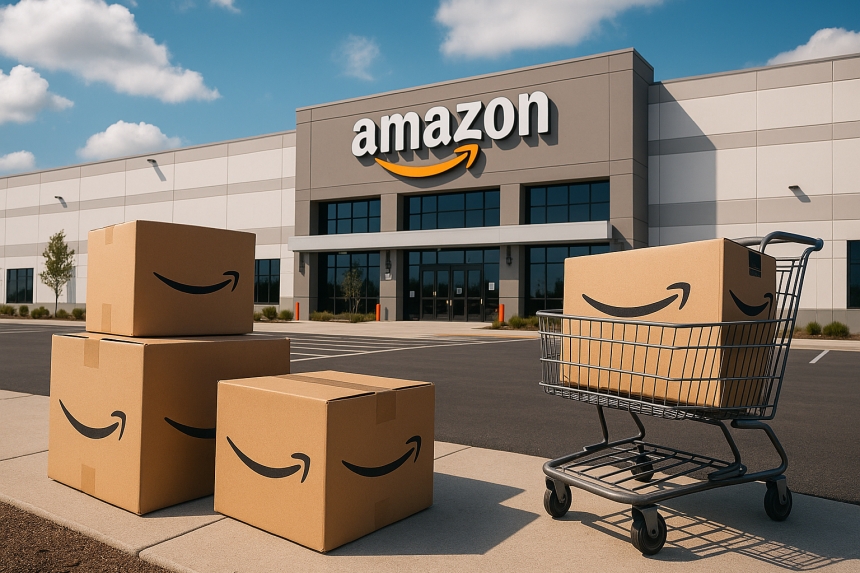
Amazon (NASDAQ:AMZN) is adjusting its major shopping event, Prime Day, to reflect the evolving economic behaviors of its consumers. For the upcoming 2026 Prime Day, Amazon will commence the event earlier than in previous years, starting at midnight on June 23 and concluding on June 26. This shift could be significant for Prime members looking for deals during a climate of financial uncertainty and changing consumer preferences. Groceries and household necessities will be prominently featured, suggesting a strategy to appeal to cost-conscious buyers amid current economic challenges.

 ETH
ETH
 SOL
SOL
 BSC
BSC
 ROBINHOOD
 USDT
USDT
 AAPL
AAPL
In past years, Prime Day typically fell in mid-to-late July; however, this year’s earlier timeline could impact how consumers plan and allocate their monthly budgets. The decision comes as consumers’ financial prudence intensifies, with many grappling with rising costs due to economic fluctuations. A survey highlights a sizable percentage of businesses transferring tariff costs to consumers, foreseeing subsequent price hikes.
What Are the Key Highlights for Prime Day 2026?
Jamil Ghani, Vice President of Amazon Prime, emphasized the focus on essential goods this Prime Day, with discounts on groceries and personal care items designed to cater to financially vigilant customers.

Jamil Ghani noted, “We’re sensitive and cognizant that there’s economic uncertainty and everyone’s trying to make their dollar, their euro, their rupee stretch further.”
Offers such as meats and produce priced at $1, alongside 50% off personal care items, signal Amazon’s intent to attract price-sensitive shoppers.
How Are Consumers Navigating Economic Pressures?
Amid growing financial constraints, research indicates that a significant portion of American consumers are reducing their expenditures. PYMNTS Intelligence data reveals a notable downturn in spending, highlighting the shift toward survival rather than financial advancement for millions of consumers. This economic climate has driven shoppers towards value-oriented retailers, such as Walmart (NYSE:WMT), which claims a significant share of the online grocery market, particularly among financially stressed consumers.
A distinct consumer trend emerges as individuals under economic strain increasingly opt for digital solutions. They’re gravitating towards cost-effective merchants and utilizing digital wallets for budget management. Within this landscape, Amazon’s competitor, Walmart, emerges as a preferred choice, especially among those experiencing financial strain. Walmart’s emphasis on offering value has resonated with consumers, diversifying their online purchasing habits.
Amazon’s strategic decision to host Prime Day earlier in the year potentially aligns with an attempt to capture market share from consumers shifting their buying preferences amid economic pressures. It also highlights Amazon’s responsiveness to the financial climate by adjusting its marketing and discounting strategies.
Monitoring consumers’ financial health, Amazon positions itself to compete in a dynamic retail setting where adaptability becomes a critical advantage. The earlier Prime Day serves not only as a sales opportunity but as a reflection of the broader economic and consumer trend landscape.
Ultimately, Prime Day 2026 may offer insights into the evolving nature of consumer spending and the role of major retail events in navigating financial turbulence. Jamil Ghani remarked,
“It’s about holding on,”
highlighting the economic tensions influencing consumer behaviors as they seek sustainable ways to manage their finances.