Small businesses often face hurdles accessing credit that matches their specific operational practices. Despite credit being available, the products typically fail to reflect these businesses’ daily spending habits. Brands like Mastercard (NYSE:MA) have identified this mismatch, spotlighting the gap between product offerings and the actual needs of smaller enterprises. In this context, the evolution of credit card services becomes crucial for businesses to manage expenditures efficiently.

 ETH
ETH
 SOL
SOL
 BSC
BSC
 ROBINHOOD
 USDT
USDT
 AAPL
AAPL
Historically, more than half of small businesses have preferred using personal credit cards over business-specific ones due to the latter’s inability to meet their immediate needs. Research has consistently shown that rewards and fees on business cards do not align with the spending patterns of smaller firms. The focus on travel or software rewards provides little benefit to companies spending on inventory and other operational necessities. Yet, the narrative shows a shift with businesses increasingly desiring flexible payment options that accommodate fluctuating cash flows.
Why Do Small Businesses Favor Personal Cards?
Many small businesses rely on personal credit cards because they align more closely with their everyday expenditures. The high fees and limited returns associated with business credit cards discourage their usage. Current data suggests only a fraction of small businesses are willing to invest in business credit cards with rewards, as these often do not justify associated costs. Companies show a marked preference for cards offering flexible payment structures instead.

How Is Amazon (NASDAQ:AMZN) Addressing These Needs?
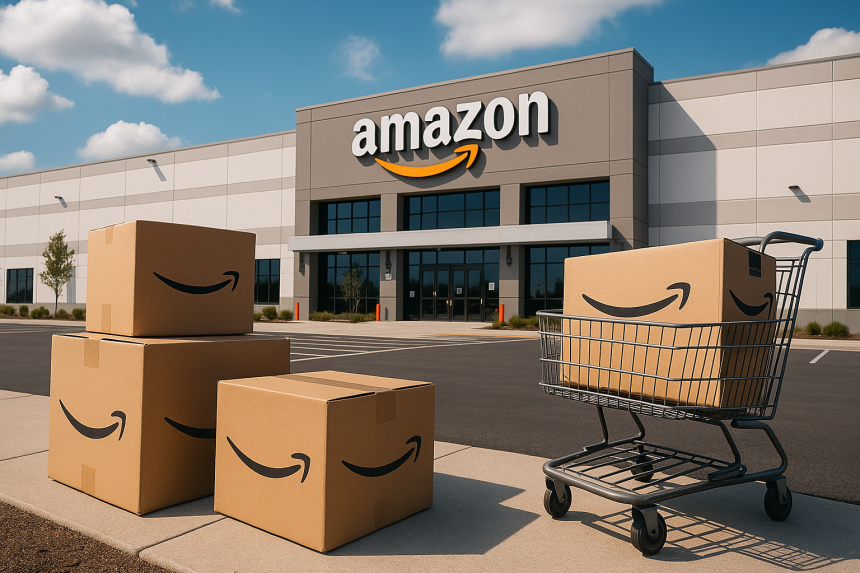
Amazon’s recent collaboration with U.S. Bank and Mastercard aims to address these barriers. The new credit card program offers a Prime card with 5% cashback on Amazon purchases and a non-Prime card offering 3% cashback, with the added benefit of flexible repayment terms. Notably, both cards levy no annual fees, making them more attractive to small businesses. The transition from American Express (NYSE:AXP) underscores Amazon’s focus on more practical spending incentives, emphasizing direct purchasing relationships.
Amazon’s initiative to root its card offerings in its extensive business ecosystem aims to strengthen ties with small businesses. Through its Amazon Business platform, the company links purchasing tools with credit facilities, thus streamifying procurement processes for businesses. Additionally, by integrating rewards into routine spending, Amazon seeks to reinforce its platform’s utility for small businesses. The PYMNTS Intelligence report indicates that many current offerings do not yet fully accommodate small business requirements; however, Amazon’s tailored approach hints at a potential resolution.
The new card offerings could potentially reorient small business spending trends by simplifying procurement and enhancing financial flexibility. By maintaining an ecosystem that seamlessly integrates procurement and payment, Amazon is refocusing the credit card landscape towards immediate business needs. Past concerns regarding misalignment of rewards and spending patterns persist, but the current strategy attempts to bridge these gaps by placing practical use at its core.
The diverse responses from business owners indicate a flexible approach to payments fosters more interest than traditional reward structures. A representative from a small business stated:
“Flexible payment options are more valuable than points we seldom use.”
Another business owner noted,
“Credit facilities should mirror our spending priorities, not dictate them.”
Such sentiments emphasize the need for realignment in credit card offerings to better serve small business operations.
Amazon’s recalibration of its credit strategy potentially marks a shift towards meeting the specific demands of smaller enterprises. By focusing on integrating procurement with payment solutions and offering customizable financial options, companies like Amazon are recalibrating the small business purchasing landscape. Yet, the continued emphasis on alignment between rewards and routine business operations remains essential to meeting this market’s unique needs.