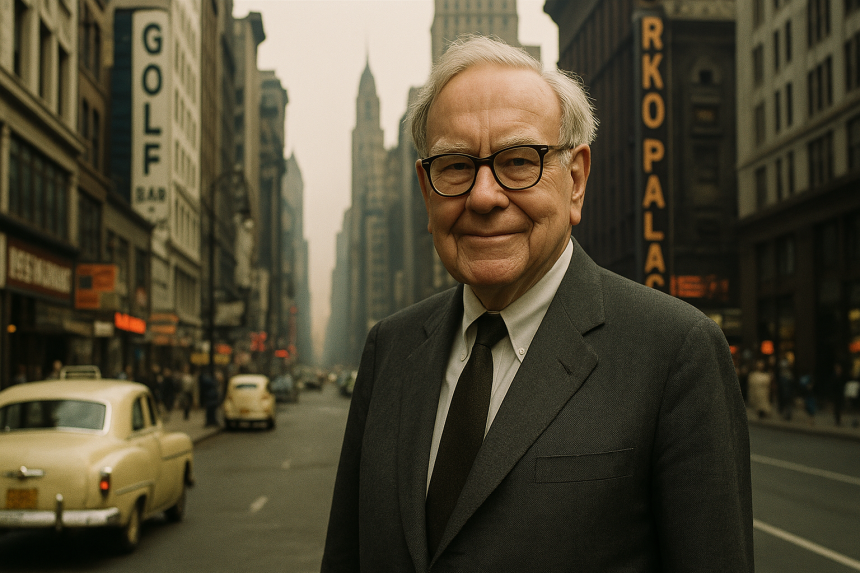
Warren Buffett’s recent declaration about the future of his Berkshire Hathaway (NYSE:BRK.A) holdings caught the attention of the investment world. Known as a legendary investor, Buffett announced his intention to donate all remaining shares by 2034, raising questions about the motivations behind this decision. It is a strategic philanthropic move, showcasing his commitment to giving back rather than divesting due to business concerns. While this has sparked conversations about how this changes Berkshire’s value without Buffett, many see this as a natural continuation of his longstanding giving philosophy.

In the financial world, Warren Buffett’s decisions often set the tone for market discussions. This announcement had been anticipated in some circles, considering his long-discussed charitable commitments. Previously, Buffett’s gradual conversion of Class A shares into Class B shares, subsequently donated to foundations, had been a familiar practice. This aligns with Buffett’s ongoing mission to redistribute his wealth substantially, rather than any lack of confidence in Berkshire’s trajectory.
What Prompted Buffett’s Donation?
Buffett’s decision to donate remaining shares stems from an estate planning strategy focused on philanthropy. He specified that all his shares would go to various foundations by the end of 2034, shifting ownership but maintaining his confidence in the company’s continued success. The primary recipient, the Susan Thompson Buffett Foundation, along with the Sherwood Foundation, Howard G. Buffett Foundation, and NoVo Foundation, reflect his longstanding dedication to social causes.

How Will Berkshire Hathaway Adapt?
Berkshire Hathaway is poised to operate effectively without Buffett at the helm. Greg Abel, now leading the company, inherits a diverse portfolio across multiple sectors including energy, railroads, and insurance. With a substantial cash reserve of nearly $397 billion, Berkshire remains robust enough to navigate economic fluctuations, ensuring stability despite Buffett’s gradually diminishing direct involvement.
Investors should anticipate changes in share ownership as these charitable organizations eventually liquidate shares to support their activities. However, this transition will progress slowly over the coming years, and not flood the market suddenly. This offers a continuity plan designed to maintain market stability.
Key Takeaway
“The move shouldn’t be seen as a sell-off, but rather a redistribution consistent with Buffett’s philanthropic values,” said analysts. The decision marks a deliberate philanthropic strategy rather than a forecast of the company’s decline.
Berkshire Hathaway continues to be a formidable presence, emphasizing its diverse business holdings over one individual’s influence. Investors would do well to focus on Abel’s strategy, spending, and potential acquisitions, which will now shape the future trajectory of the conglomerate.
“It’s important to assess Berkshire by its performance metrics instead of solely relying on Buffett’s legacy,” remarked reports on the announcement.