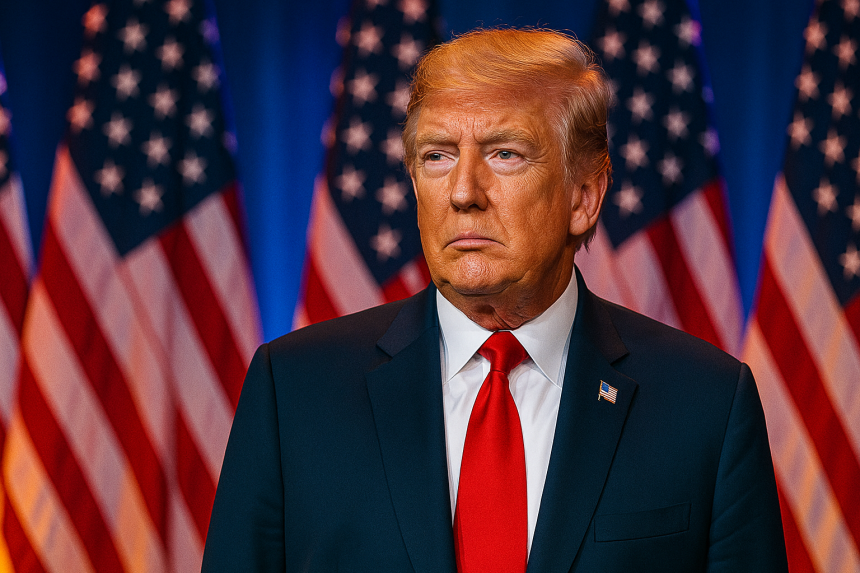
In a significant diplomatic engagement, President Trump and notable U.S. business leaders are currently in China for discussions with Chinese President Xi Jinping. While the talks, which extended beyond their scheduled time, have not yielded substantial immediate agreements, the financial markets have responded optimistically, setting new records. The heart of the dialogue appears aimed at alleviating trade tensions, although concerns about Taiwan linger. Investors are hopeful for a positive outcome that may involve tariff reductions, with broader implications for both economies.

Earlier discussions about U.S.-China trade relations have encountered similar complexities, with past negotiations occasionally stalling over sensitive geopolitical issues. Previously, key challenges included disagreements over intellectual property and technology transfers, which are reminiscent of the current situation. However, this visit by Trump and executives is occurring against a backdrop of heightened market performance, unlike previous talks that were typically under the shadow of trade tensions alone.
What Did Trump and Xi Jinping Talk About?
Details from Trump’s discussions with Xi are sparse, though Trump expressed optimism.

“The relationship between the two countries will be better than ever before,”
said Trump. On Taiwan, Xi highlighted potential for conflict if the island’s status is not managed sensitively. Despite no direct announcements on key issues like artificial intelligence or the Middle East, market sentiment remains buoyant.
Are Markets Justified in Their Optimism?
The market’s positive outlook appears premised on anticipation of a tariff deal, though analysts see the more likely outcome as an extension of the current pause on tariffs. An absence of agreement remains a risk not currently factored into investor sentiment. As stock indices reach peak levels, the momentum is significantly driven by the semiconductor industry, with companies like Micron Technologies seeing massive gains.
The semiconductor sector led by companies like AMD (NASDAQ:AMD), Intel (NASDAQ:INTC), and Micron Technologies is central to recent stock market rallies. However, such intense bullish trends carry the risk of eventual corrections. Past rallies have demonstrated resilience despite temporary dips, as investors rotate profits from growth stocks into undervalued sectors. Caution is advised, especially as geopolitical and economic uncertainties persist.
Adding to the complexity is a surge in U.S. inflation figures, with the Core Producer Price Index hitting levels not seen since late 2022. This rise complicates the job for incoming Federal Reserve Chair Kevin Warsh. Economic indicators are creating a complex environment for monetary policy, amid calls from Trump for rate cuts despite inflationary pressures.
Federal Reserve policies appear divided, with a higher likelihood of rate hikes than cuts this year.
Mr. Warsh will face “pressure from President Trump to cut rates,”
as inflation remains unusually high. The Federal Open Market Committee’s division may add to the challenges confronting Warsh, impeding his ability to navigate through current economic conditions.
Market analysts speculate whether recent stock trends are sustainable or will result in significant corrections. The current scenario resembles previous market runs characterized by speculative buying and the expectation that market contractions are temporary. Despite potential pitfalls, such a pattern underscores rampant investor confidence.
The ongoing U.S.-China talks, intertwined with robust market activity and inflationary developments, create a multifaceted landscape for stakeholders. As Trump’s delegation continues their engagement in China, any potential breakthroughs may significantly impact bilateral relations and global markets alike. For investors, the situation demands vigilant observation as economic factors evolve.