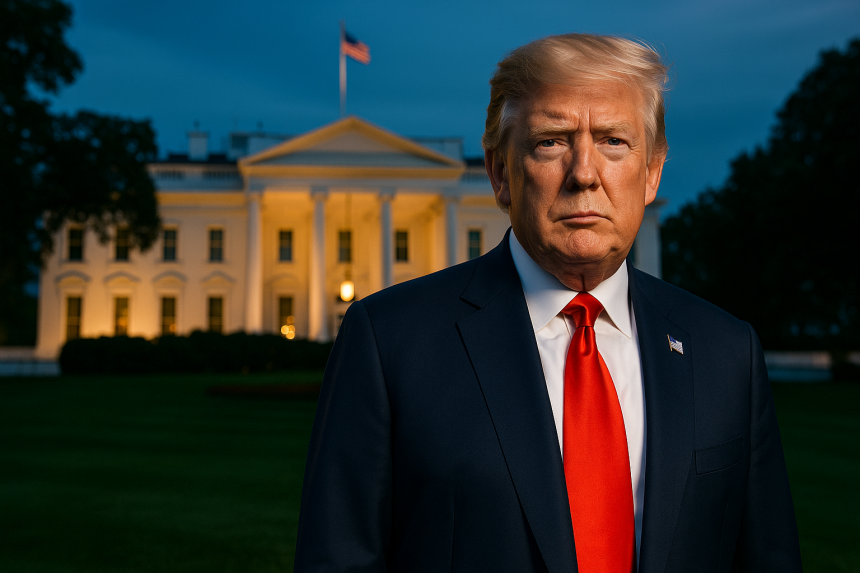
As American consumers grapple with soaring grocery prices, President Trump has decided to reduce tariffs on imported beef in an attempt to mitigate food inflation. This move arises from the need to provide immediate relief for families facing high meat costs and reflects the administration’s broader concerns about escalating living expenses. The tariff reduction is seen as a partial solution to a multifaceted problem, as inflation pressures continue to impact household budgets across various sectors.

Historically, the U.S. beef industry has faced challenges that a simple tariff adjustment cannot solve. Over the years, factors such as droughts, labor shortages, and rising feed costs have led to a consistent decline in cattle numbers, marking the lowest levels since 1951. Previously, analysts pointed towards structural issues within the domestic production framework that limited beef availability, further exacerbating pricing challenges.
Will Lower Tariffs Solve the Pricing Issue?
Reducing beef tariffs could provide a temporary increase in supply from abroad, potentially easing price pressures. However, industry experts caution that such measures are unlikely to address underlying drivers of inflation. Key issues like energy costs, impacted by geopolitical tensions and higher crude oil prices, continue to influence the broader supply chain, making a comprehensive response necessary.

What Are the Risks to Domestic Producers?
While consumers may benefit from slightly lower prices, the influx of cheaper imports poses risks to local cattle ranchers. Operating with a historically small herd, U.S. producers could face diminished market shares, harming their profitability and further stifling domestic supply growth. This cycle could result in even higher prices if ranchers are compelled to scale back operations.
In addition, parallels have been drawn to the administration’s proposal to pause the federal gasoline tax, a move intended to grant temporary financial relief but fails to address deeper energy infrastructure issues. This approach reveals the complexity of economic policy, highlighting the delicate balance between short-term interventions and long-term strategic planning.
“We aim to ease consumer financial burdens with immediate measures,” explained a White House spokesperson.
The Federal Reserve’s attempts to counter inflation have shown the enduring challenge of stemming widespread price increases once they’re entrenched. Economic indicators suggest resilient market conditions; however, underlying socioeconomic factors warrant attention as potential risks to long-term stability.
U.S. consumers continue to experience rising debt levels and persistent financial strain, impacting their overall economic confidence. Despite Wall Street’s optimism regarding export performance and trade policies, the practical concerns of food, housing, and energy costs dominate daily life.
“Reducing tariffs is a step, but not the full solution,” cautioned an industry analyst.
Overall, while tariff reductions on beef imports might offer temporary relief, the broader inflation challenges remain unaddressed. Structural issues like reduced cattle populations, escalating energy costs, and geopolitical complexities continue to drive price increases in the market. The path forward requires comprehensive strategies that balance immediate consumer needs with the sustainability of domestic industries and broader economic resilience.