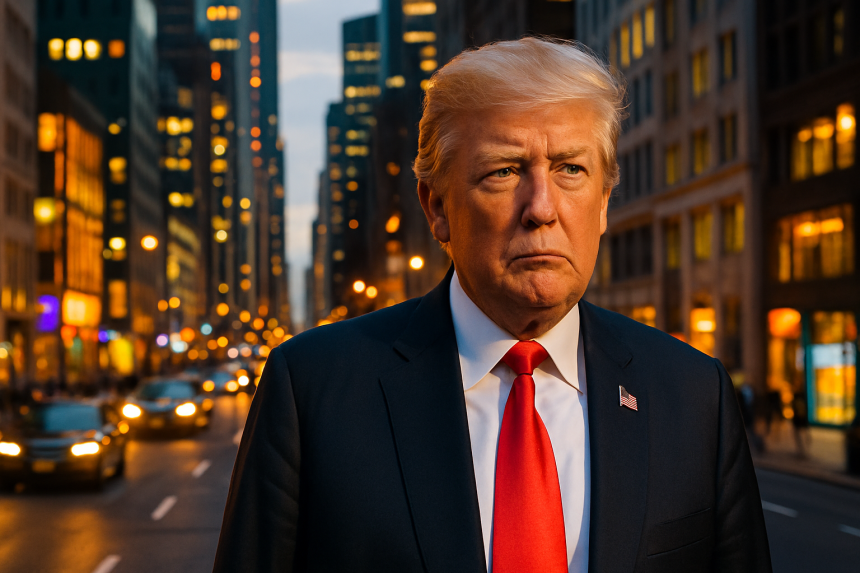
Recent developments in the financial landscape highlight an intriguing intersection of politics and cryptocurrency. The Office for the Comptroller of the Currency (OCC) has granted a preliminary national banking charter to World Liberty Financial (WLF), a company with direct connections to former President Donald Trump, particularly through his older sons. This decision places WLF in a position to explore innovative financial services, aligning with a broader regulatory trend of increased charter applications. The move stirs discussion about the overlap between political affiliations and financial gains in the evolving crypto space.

 ETH
ETH
 SOL
SOL
 BSC
BSC
 ROBINHOOD
 USDT
USDT
 AAPL
AAPL
WLF’s charter comes at a time when similar entries to the banking sector have garnered attention. In previous years, the OCC observed a lull in applications, with periods of no charter requests from 2011 to 2024. Conversely, in recent years, the agency has seen a resurgence in applications, mirroring WLF’s strategic push. This shift in charter dynamics marks a significant divergence from the past, with faster decisions on applications indicating a streamlined approach by the OCC.
What Are WLF’s New Capabilities?
Under the new charter, WLF will engage in the issuance and redemption of dollar-backed stablecoins, facilitating digital assets but notably restricted from issuing loans or accepting direct deposits. The company’s focus now includes providing fiduciary digital asset custody services. These services are expected to appeal to investors looking for secure, reliable conversion methods for their custody assets. The OCC’s decision aligns with its assessment that new entrants like WLF can stimulate innovation and expand the banking ecosystem.

Is There Political Controversy Afoot?
Indeed, the issuance of the charter is not without its challenges. Political disputes arise particularly around the integration of former President Trump’s business ventures into the regulatory framework of cryptocurrencies. Adding to the complexity, a financial disclosure reveals Trump earned over $1.1 billion last year from similar concerns. Senator Elizabeth Warren has called for legislation to regulate such alleged self-dealing, emphasizing potential conflicts of interest that could shadow new financial reforms.
The OCC has been proactive in allowing new entities within the financial system. Comptroller Jonathan Gould noted the uptick in applications, asserting that the OCC is committed to revitalizing the de novo chartering process. With a streamlined application period of 120 days, the OCC encourages new entrants aiming to foster consumer choice and innovation.
The increasing number of charter applications reflects a broader confidence in new types of financial institutions emerging. The OCC’s responsiveness to market demand indicates its commitment to fostering a resilient financial infrastructure. The Financial Depository Insurance Corporation (FDIC) supports these efforts, suggesting an alignment in regulatory strategies to encourage diverse banking models.
Following the OCC’s latest approval, entities like WLF are emblematic of a modern trend within financial services where traditional banking and digital assets converge. Observers will be watching how this shift impacts both consumer markets and broader regulatory landscapes. The discussions around ethical considerations and financial benefits will continue, drawing scrutiny on how financial innovation intersects with political and public interests.
As events progress, the dialogue around cryptocurrency’s role in the financial market will likely expand, encompassing technological potential and legislative oversight. Understanding these dynamics can help stakeholders navigate the emerging landscape, balancing innovation with regulation. Keeping an eye on political affiliations and their impact on market entry remains crucial for industry watchers.