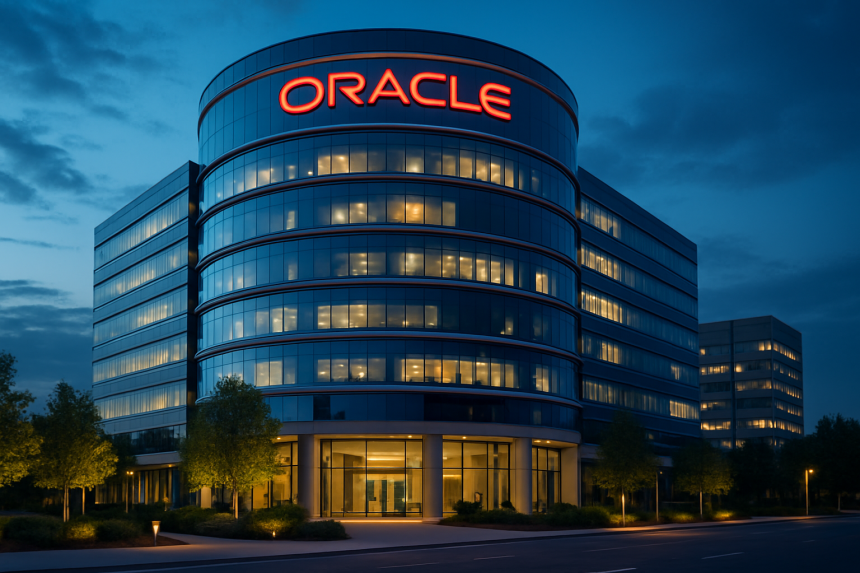
Larry Ellison, a notable figure within the tech industry, has received a significant dividend check amounting to $579 million in a single quarter from Oracle. His substantial stake highlights the large sum, which eclipses the market capitalizations of numerous smaller companies. This hefty payment not only underscores the privilege of owning a large percentage of Oracle’s equity but also reflects the scale at which dividends impact major stakeholders. Compared to regular investors, such large sums are beyond reach, indicating the disparity in benefits derived from dividend payments.

 USDT
USDT
 AAPL
AAPL
Larry Ellison’s dividend income from Oracle contrasts sharply with past trends where stock performances and dividend increases were much less frequent. The current high dividend yield emerges as Oracle stock prices declined over the last year, enhancing the dividend yield for individual shares. As Oracle continues developing its AI infrastructure, the company’s strategy of consistently raising dividends illustrates its robust financial health, an indicator contrary to previous periods when such increments were less routine.
How Was Ellison’s Gigantic Dividend Calculated?
The enormous dividend that Ellison received is attributed to his ownership of approximately 1.158 billion shares, which accounts for 40.6% of Oracle. With the dividend rate set at $0.50 per share, this results in an estimated $579 million each quarter, potentially escalating to an annual sum of $2.3 billion. This scenario is a testament to the kind of wealth accumulation possible for substantial shareholders, dwarfing standard returns for non-corporate investors.

How Much Would You Earn From $100,000 in Shares?
For smaller investors, holding $100,000 worth of Oracle stock equates to owning around 686.3 shares, generating approximately $343 in quarterly dividends. Despite the considerable share value in ordinary terms, the revenue translates into more modest returns such as covering specific expenses like vehicle installments. In stark contrast, Ellison’s vast earnings from the same company’s stock illustrate the immense wealth gap between major shareholders and typical investors.
Oracle’s yield is now higher due to recent declines in share price, with the current yield at about 1.4%. This rate offers more income per share than a year before when stock prices were significantly higher. The annual dividend increase from $1.70 to $2.00 per share also signifies Oracle’s commitment to returning capital to shareholders amid investments in its AI sector. Such strategic decisions assure stakeholders of Oracle’s robust operations, irrespective of stock market fluctuations.
Investors observing Oracle’s capital allocation decisions might note its unshakable commitment to raising dividends amidst the AI expansion push. The ongoing commitment to shareholder dividends, coupled with a strategic focus on AI-driven growth, suggests a robust operational future despite stock price fluctuations. While Larry Ellison continues to amass significant wealth from Oracle dividends, smaller stakeholders see relatively modest financial increments under the same dividend policy.
Retail investors often grapple with the financial dynamics of high-stake holders like Larry Ellison, whose substantial Oracle shares vastly multiply dividend earnings. Meanwhile, Oracle’s strategic dividend increases reflect its resilience and strong financial planning, ensuring consistent payouts regardless of economic cycles. For individual investors, it’s crucial to consider such dividend policies amidst fluctuating stock prices to gauge potential returns accurately.