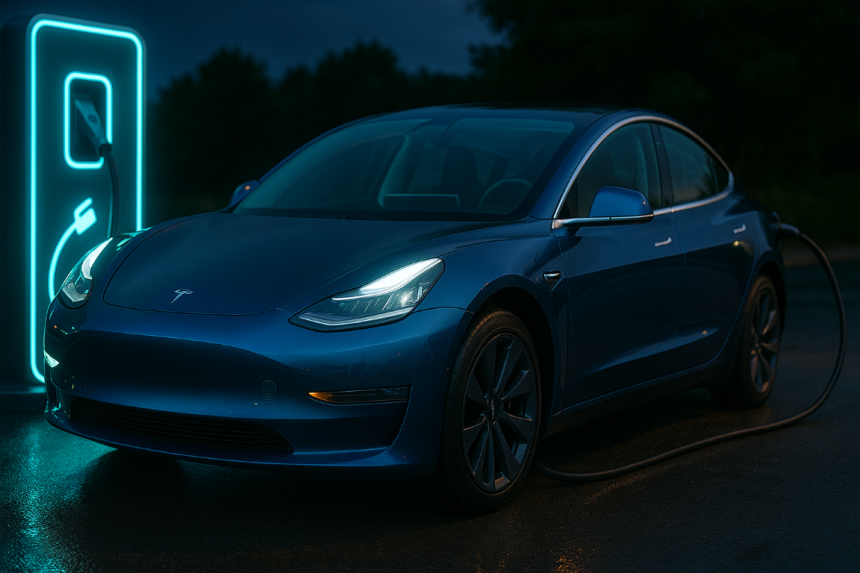
Tesla (NASDAQ:TSLA) has demonstrated impressive resilience in the face of market fluctuations with its record-breaking vehicle deliveries in the second quarter. These results come at a crucial time when the automaker is steering its focus towards ambitious ventures in the fields of autonomous driving and artificial intelligence. Amidst a backdrop of changing incentives and consumer dynamics, Tesla’s strategies appear to be paying off, particularly in Europe. The numbers indicate a solid path back to an annual growth trajectory, defying previous assumptions about the company’s potential performance this year.

 ETH
ETH
 SOL
SOL
 BSC
BSC
 ROBINHOOD
 USDT
USDT
 AAPL
AAPL
Tesla has often captured attention with its ambitious projects and bold promises. In recent years, the company has frequently been under the spotlight for its aggressive production targets and pioneering technology initiatives. Yet, recent reports confirm a consistent delivery strategy that not only outpaces old forecasts but also defies earlier criticisms regarding sustainability. The recent results highlight a significant shift back to growth, a contrast to the skepticism that greeted some of Tesla’s more optimistic claims in the past. Historical concerns over delivery logistics and market adaptability are overshadowed by tangible progress.
What’s Driving Tesla’s European Surge?
The resurgence of Tesla’s market share in Europe appears to be driven by various interconnected factors. An increase in fuel prices has incentivized consumers to consider electric vehicles more seriously than before. Concurrently, government incentives for electric vehicle purchases and accelerated adoption in corporate fleets have contributed significantly to rising demand. Recent adjustments in consumer sentiment indicate a waning backlash against Elon Musk’s political controversies, further boosting European growth prospects. Therefore, European market dynamics serve as a critical pillar for Tesla’s growth strategy.

How Does the U.S. Market Compare?
The scenario in the United States presents a more nuanced picture. Although Tesla remains a prominent player, the removal of EV tax credits has put a damper on U.S. demand. Despite introducing cost-effective versions of the Model 3 and Model Y, sales traction has not fully met expectations. Analysts estimate a decline of around 10% in U.S. sales for the quarter, signaling that domestic market challenges persist. “We’re cautiously optimistic for some growth this year,” noted Sam Fiorani.
China has emerged as another vital market for Tesla, thanks to a refreshed Model Y and a strategic presence amidst stiff competition from local manufacturers like BYD. Stimulated by these refreshes and competitive pricing, Tesla’s China-made EVs are performing robustly. Nevertheless, the company faces ongoing competitive pressure that could influence future market dynamics.
The financial community has responded with mixed reactions to Tesla’s latest performance metrics. Stock volatility reflects both enthusiasm over delivery success and concerns about sustained profitability. While optimism was previously “priced-in” to share value, investors remain vigilant as Tesla’s quarterly results, scheduled for release later this month, may offer additional insights. “I think the huge growth in Europe is the key driver for Tesla right now,” asserted Seth Goldstein.
With SpaceX adding another layer of complexity to Elon Musk’s financial endeavors, Tesla’s robust delivery figures provide a stable foundation. Musk’s diversified interests, such as advanced chip manufacturing and initial public offerings, appear to complement rather than compete with Tesla’s core operations. This strategy of diversification may serve as a buffer against fluctuations within any single enterprise.
Understanding these trends is invaluable for stakeholders seeking deeper insights into Tesla’s ongoing development. Analysts continue to scrutinize potential risks and opportunities, keeping a close eye on market conditions and corporate strategies driving the automotive giant’s progress. As Tesla advances its technological and market ambitions, its evolving role within the global auto industry commands sustained attention.