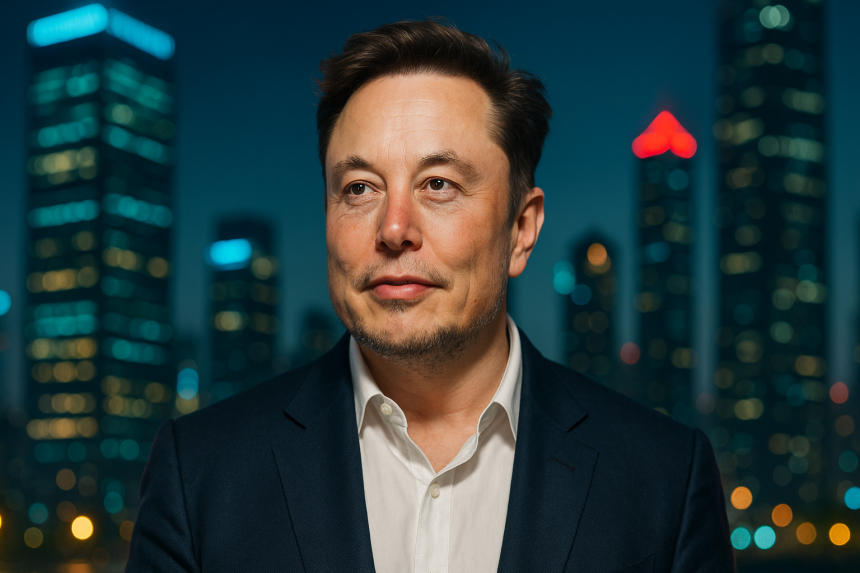
Elon Musk, the prominent entrepreneur behind companies like SpaceX and Tesla (NASDAQ:TSLA), has experienced a significant decline in his net worth shortly after reaching a significant financial milestone. The tech mogul’s wealth momentarily crossed the $1 trillion mark but soon dipped below this astonishing figure. This fluctuation reflects the volatile nature of the tech market and the investor sentiment surrounding artificial intelligence, affecting the values of major tech stocks.

 USDT
USDT
 AAPL
AAPL
Musk’s financial situation was impacted by a recent broader sell-off in the tech sector, which saw shares of SpaceX and Tesla experiencing declines. This market trend can be attributed to growing caution among investors about artificial intelligence’s long-term profitability. Interestingly, this marks a stark contrast to past market reactions when tech innovations often led to sustained growth in shareholder value.
How Did SpaceX’s IPO Impact Musk’s Wealth?
SpaceX’s initial public offering played a significant role in propelling Musk’s net worth past the $1 trillion mark. When SpaceX launched its IPO, priced initially at $135 per share and opening at $150, the company’s valuation surged to over $1.77 trillion. Musk, holding approximately 42% of SpaceX, saw his asset value multiply, underscoring his position as the world’s wealthiest person. Yet, despite the significant valuation increase post-IPO, fluctuations in SpaceX’s share prices later eroded these financial gains.

What Factors Contributed to the Share Price Decline?
Multiple factors contributed to the decline in SpaceX’s share price, notably a more than 30% drop after reaching a high of $225.64. For instance, on June 22, a significant drop of 16% further affected Musk’s fortune by approximately $240 billion. Additionally, Tesla shares also witnessed a substantial decline, further impacting Musk’s overall net worth. This highlights how interconnected tech companies’ fortunes are in the current financial landscape.
Musk, despite the drop, remains significantly wealthier than his peers. As of the present, he maintains a considerable lead, with competitors like Larry Page and Sergey Brin following in distant second and third positions according to the Bloomberg Billionaires Index. The shift in Musk’s net worth reveals how intrinsically linked individual fortunes can be to broader market dynamics.
SpaceX’s record-setting IPO remains a testament to its dominant position in the space industry. Since its inception in 2002, SpaceX has innovated with reusable rocket technology, substantially lowering launch costs and reshaping space commerce. It continues to hold significant contracts with NASA and the U.S. government, a testament to its established credibility and industry influence.
Musk commented on the situation, emphasizing the transient nature of market fluctuations.
“Market dynamics can shift rapidly, and what’s crucial is focus on innovation,”
Musk stated during a recent interview. The rapid changes in net worth underscore the unpredictable nature of tech investments and how tech pioneers adapt to these challenges.
Although Musk momentarily lost his trillionaire status, his impact on the tech industry remains substantial. Industry analysts continue to monitor the trends in the tech sector, particularly related to artificial intelligence and space investments. These developments will likely influence not only Musk’s financial position but also the future trajectories of companies like SpaceX and Tesla.