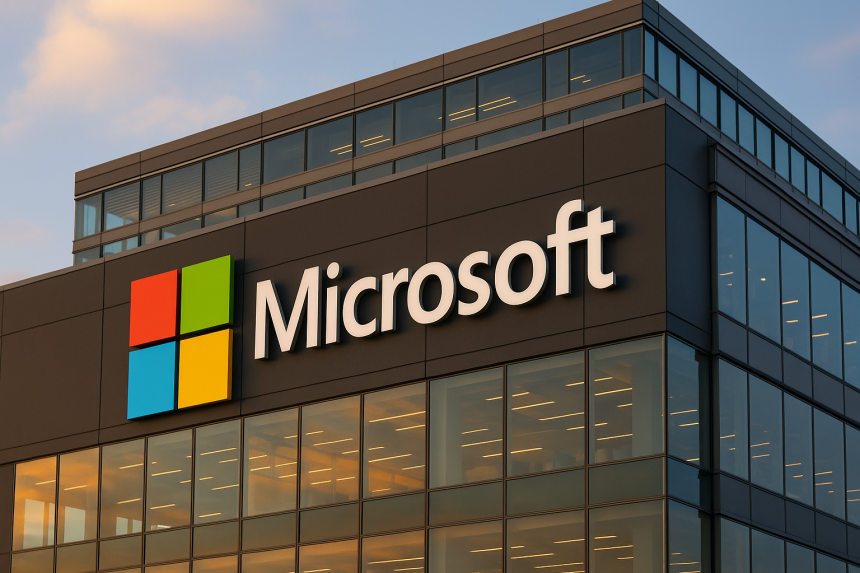
In a strategic move that could redefine its position in artificial intelligence development, Microsoft (NASDAQ:MSFT) has introduced a brand-new coding model called MAI-Code-1 during the recent Build event. This introduction is designed to enhance the company’s capabilities in AI solutions, a sector it is already deeply integrated with, thanks to its collaboration with OpenAI. Microsoft’s announcement signals its commitment to advancing its technological frontier amidst increasing competition and promises a significant impact on future coding practices.

 ETH
ETH
 SOL
SOL
 BSC
BSC
 ROBINHOOD
 USDT
USDT
 AAPL
AAPL
Over recent years, Microsoft has shown a consistent dedication to expanding its AI capabilities, especially with the development of integrated systems like Copilot. These endeavors are part of a broader strategy to solidify its position against competitors like Anthropic, which have made significant strides with products such as Claude Code. Guillaume Sauzon, a tech analyst, mentions that while Claude Code remains superior in many aspects due to its advanced reasoning abilities, Microsoft is making steady progress with strategic partnerships and collaborations.
What Does MAI-Code-1 Bring to the Table?
MAI-Code-1 introduces a fresh approach by blending Microsoft’s technological ecosystem with the open-source capabilities of GitHub. It aims to capitalize on Microsoft’s robust enterprise environments, offering an efficient coding tool that holds the potential to streamline numerous tasks for developers. Microsoft’s ability to harness these advantages highlights its unique position in the AI race. Yet, the model is still miles away from overtaking the recognized leader Claude Code in terms of coding innovation.

Will MAI-Code-1 Replace Claude Code?
MAI-Code-1 is not poised to immediately replace innovations like Claude Code. Nevertheless, its development signifies Microsoft’s focused push towards strengthening its autonomy features in AI models. The company has started to implement this new model internally, paving the way for a broader rollout. There is an anticipation that MAI-Code-1 could gain significant ground once early efficiency improvements are fully realized. “MAI represents our belief in evolving AI processes,” stated a Microsoft spokesperson.
“We are keen on leveraging it for company-wide transformation.”
Microsoft is reportedly phasing out licenses for existing Claude Code applications, indicating a shift towards homegrown solutions. This transition, although gradual, underscores a broader attempt to consolidate its AI resources, moving away from reliance on external platforms. The company appears determined to become more autonomous in its development processes while grappling with fluctuating market sentiment.
The tech giant’s shares remain under scrutiny, and while recent AI actions might not have stabilized stock evaluations immediately, there is a consensus among investors that Microsoft’s long-term prospects remain promising. “Investing in technological innovation is key to staying relevant in dynamic markets,” remarked industry expert Bill Ackman.
“Microsoft’s latest endeavor reflects this strategy.”
Microsoft’s approach reveals it is not merely racing but recalibrating how it tackles AI-related innovations, aligning with its long-term goals of becoming a leading contender in the AI landscape. Developers and investors alike are watching closely as the company maneuvers this competitive space, adapting to changes with each step.
MAI-Code-1 marks another milestone for Microsoft, reflecting its ambitions to secure a competitive position in AI innovation. Despite facing formidable challenges from existing industry front runners, the company’s consistent efforts to refine its tools demonstrate its strategic vision. Observers will be attentive to how these developments influence Microsoft’s market presence and technological footprint in the coming years.