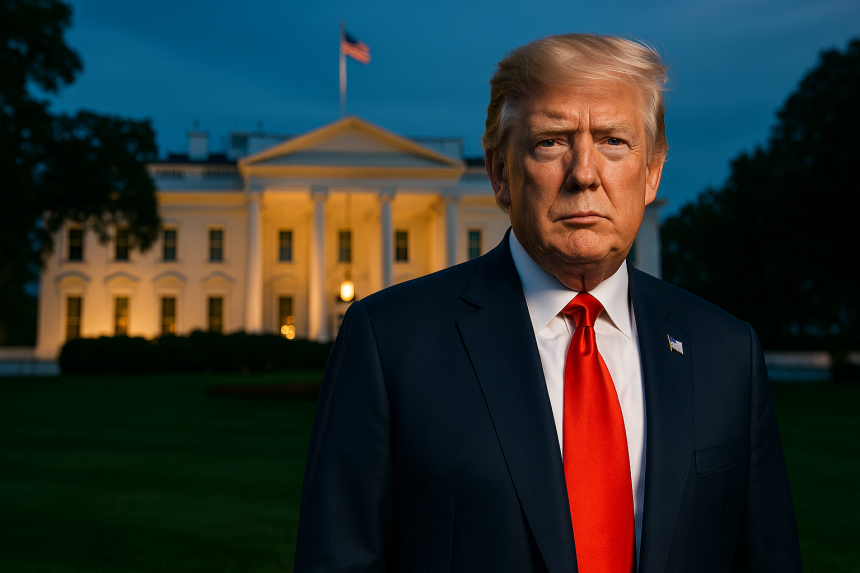
A lawsuit has been initiated by seven state Attorneys General, led by New York’s Letitia James, targeting the Trump administration over a contentious agreement with TotalEnergies. The agreement involves halting new offshore wind projects in the United States, with approximately $1 billion reimbursed to the French energy firm. This legal move represents one of the latest conflicts between state leadership and federal energy policy decisions. The implications of this deal extend beyond energy production shifts, possibly affecting national and local economic and environmental strategies.

 ETH
ETH
 SOL
SOL
 BSC
BSC
 ROBINHOOD
 USDT
USDT
 AAPL
AAPL
Similar past agreements have faced both support and criticism. While some earlier efforts under Trump’s administration have been legally overturned, the conflict between advancing renewable energy projects and boosting traditional fossil fuels persists. This legal struggle underscores the broader national dialogue around the energy sector’s future balance.
How Did the Trump Administration Aim to Halt Offshore Wind Projects?
The Trump administration’s initiative to halt renewable energy efforts began with an early Presidential Memorandum. This plan ceased federal approvals for wind projects, later expanding to pause leases for major offshore wind projects. The decision cited national security concerns as a primary reason, affecting approximately 6 GW of energy. Despite the administration’s intentions, federal courts have repeatedly challenged and overturned these attempts to suspend renewable initiatives.

What Are the Legal Grounds of the New Lawsuit?
New York AG Letitia James and her counterparts argue the agreement with TotalEnergies is “arbitrary and capricious.” The lawsuit claims violations of the National Environmental Policy Act and the Outer Continental Shelf Lands Act, which the states contend were disregarded through lack of consideration for impacts and alternatives. The states also criticize the deal as a misuse of funds and an inappropriate shift of focus from renewable energy to fossil fuels without proper reasoning or process.
James stated,
“After repeatedly losing in court, this administration cooked up a sham deal to pay a foreign energy company hundreds of millions of taxpayer dollars to abandon offshore wind and invest in oil and gas instead.”
This reflects the determination of state leadership to uphold renewable energy commitments and challenge federal decisions perceived as regressive.
The lawsuit seeks to reverse the agreement and invalidate the associated lease cancellations, in an effort to preserve future renewable development. Such legal actions underscore the tension between differing governmental visions for energy policy amidst global climate objectives.
Governors like Kathy Hochul emphasize potential consequences, highlighting,
“This pay-not-to-play scheme…is an outrageous abuse of taxpayer dollars that hurts our ability to meet our energy needs, create good jobs, and help secure American energy independence while reducing emissions.”
This sentiment captures the dual focus on environmental integrity and economic stability.
State Attorneys General continue to advocate for renewable energy, drawing attention to legal and moral considerations. They insist on adherence to legislative frameworks that support transparent and strategic energy development in the U.S., a process crucial to meeting both state-specific and national interests.
The ultimate outcomes of these legal battles may shape the U.S. energy landscape. Potential changes could influence policy impacts on energy and environmental priorities, possibly affecting future legislative and judicial approaches to similar agreements and projects.