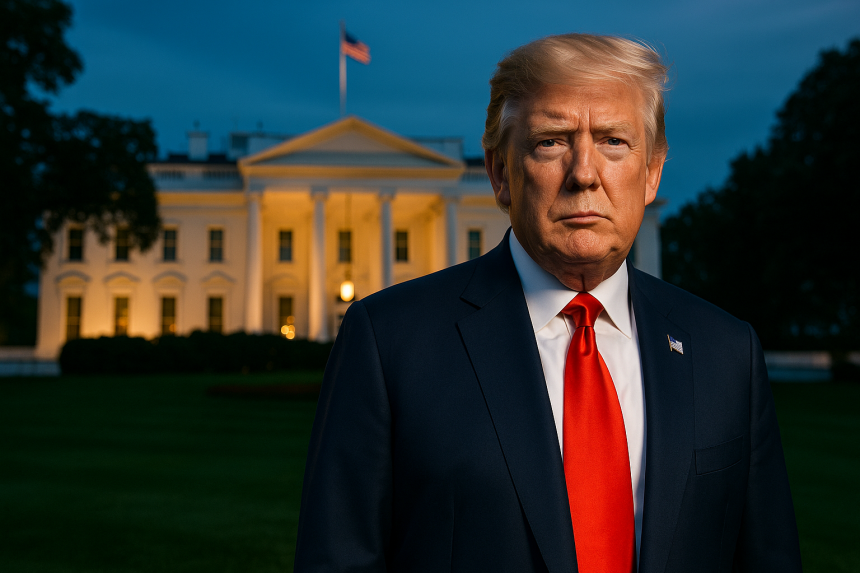
As global tensions hum in the background, President Donald Trump embarks on a pivotal visit to China for a summit that promises to cover pressing international trade concerns. This occurrence gains significance as the summit is the first of its kind for a US president in nearly a decade, and it coincides with key economic and corporate developments in the United States. Among myriad discussions, economic strains in the form of rising prices at home, and strategic workforce adjustments by leading US companies, set the stage for potentially impactful dialogues between the world’s two largest economies.

Previous meetings between US and Chinese officials have often tackled difficult topics such as trade agreements and tariffs. The dynamic nature of these negotiations has sometimes led to temporary solutions rather than long-lasting agreements. Despite past complexities, the current summit emphasizes mutual benefits, focusing on reducing trade barriers and enhancing business cooperation.
What Are the Goals for US and China’s Summit?
President Trump is meeting with Chinese President Xi Jinping with objectives centered on improving trade relations, reducing tariffs, and addressing digital market concerns. Business executives from major US companies like Tesla (NASDAQ:TSLA) and Apple (NASDAQ:AAPL) accompany Trump, seeking to promote US interests. An important topic is China’s opening to US businesses, an issue Trump aims to address during this visit. Talks are expected on creating a tariff framework that respects national security while facilitating business exchanges.

Why the Sharp Rise in US Producer Prices?
US wholesale inflation saw a notable spike in April, which placed additional pressures on economic frameworks already under strain. The sharp rise in the Producer Price Index was mainly driven by increased energy costs, influenced by global disruptions in shipping routes linked to the US-Israeli conflict with Iran. Such price hikes complicate future monetary policy and interest rate considerations, which have economic implications beyond domestic borders.
In tandem with inflation woes, American corporate behemoths like Walmart (NYSE:WMT) and LinkedIn announced strategic layoffs and relocations. Walmart reorganized its corporate structure to intensify focus on AI technologies. On the other hand, LinkedIn reduced its workforce by 5%, aiming to concentrate on sections of its platform with the quickest growth.
Kevin Warsh has recently been confirmed as the Federal Reserve’s new chair, succeeding Jerome Powell. Expected to manage ongoing inflationary concerns, Warsh aligns with Trump’s preference for lower borrowing costs. Markets remain watchful of how current price pressures challenge the Fed’s traditional targets.
Overall, heightened inflation and strategic workforce shifts underscore the complexities of Trump’s visit. Economic indicators like wholesale inflation serve as key components demanding swift, effective responses. The collaboration of US and Chinese leadership could serve to guide corporate and economic policies in the coming years.