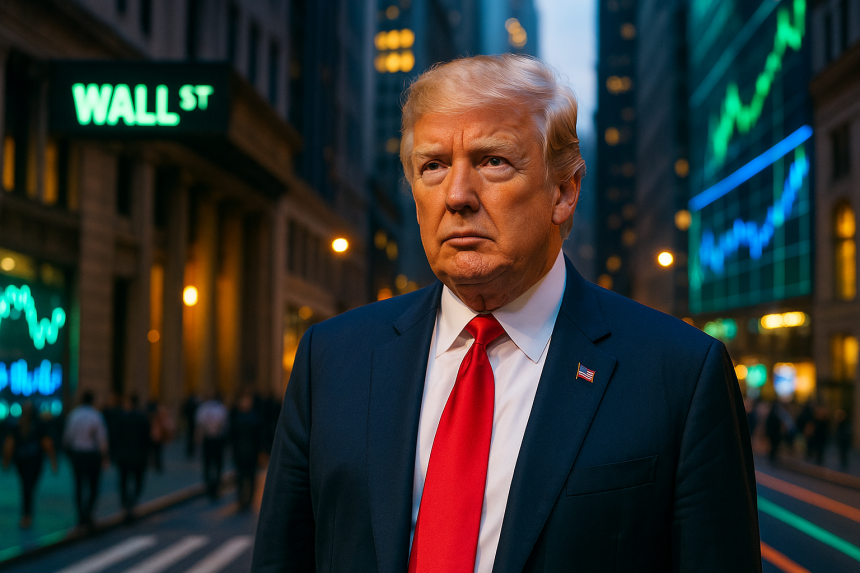
Global markets are facing turbulence with President Donald Trump’s dual announcement impacting international relations and economics. His dissatisfaction with Iran negotiations has coincided with a planned 25% tariff on European Union auto imports. These moves come amid a dynamic global trading environment where oil prices have experienced fluctuations and digital currencies like Bitcoin have seen upward trends.

 ETH
ETH
 SOL
SOL
 BSC
BSC
 ROBINHOOD
 USDT
USDT
 AAPL
AAPL
Trade discussions have been a contentious issue, with historic meetings often failing to result in tangible resolutions. This present situation underscores ongoing complexities in US-Iran relations, despite past attempts at diplomacy. The tariff hike deviates from previous agreements established between the US and the EU, where tariffs were to remain lower, highlighting a shift in approach to international trade policies.
What Are Trump’s Concerns with Iran Negotiations?
President Trump has voiced his dissatisfaction with the progress of diplomacy with Iran, pointing to internal divisions within Iran’s leadership as a hurdle. An Iranian proposal, delivered indirectly via Pakistan, leaves key details unresolved, such as those concerning the strategically critical Strait of Hormuz. The blockade of this passage has substantially affected global energy markets, disrupting oil and natural gas flows.

“They want to make a deal but I’m not satisfied with it,” Trump remarked.
These internal rifts within Iran could potentially stall any future agreements, maintaining geopolitical tensions and keeping trading partners on edge. Trump’s comments suggest that the leadership in Tehran is divided into multiple groups, complicating negotiations further.
Why Is Trump Raising EU Auto Tariffs?
President Trump announced an intent to impose a 25% tariff on car and truck imports from the European Union. This decision is partly driven by dissatisfaction with existing trade terms. Trump justified the increase by emphasizing a lack of compliance with the currently agreed-upon trade deal by the EU.
“The Tariff will be increased to 25%,” Trump clarified in his statement.
This action indicates a hardening trade stance, marking a departure from the previous 15% cap and excluding vehicles produced in American plants. This could prompt European manufacturers to strengthen their US operations to circumvent these tariffs.
In this volatile global market, oil prices eased due to hopes for renewed diplomacy in US-Iran relations, although logistical bottlenecks continue. Brent crude and other oil benchmarks witnessed fluctuations in prices. Even amid political uncertainty, markets have shown fluctuations aligned with diplomatic signals and supply concerns.
Meanwhile, as oil sees variations, Bitcoin has extended its gains, driven by improved market sentiment. The cryptocurrency moved closer to $80,000, benefiting from a collective rise in US equities. This suggests an optimistic future for digital assets as investors reassess risk across various markets.
Examining these multifaceted developments paints a picture of shifting power dynamics and trade relations. As policies evolve, their impact is seen across different sectors, such as automotive industries and energy markets. For businesses and investors, staying informed about these geopolitical influences is crucial, as they substantially affect strategic decision-making and investment opportunities.