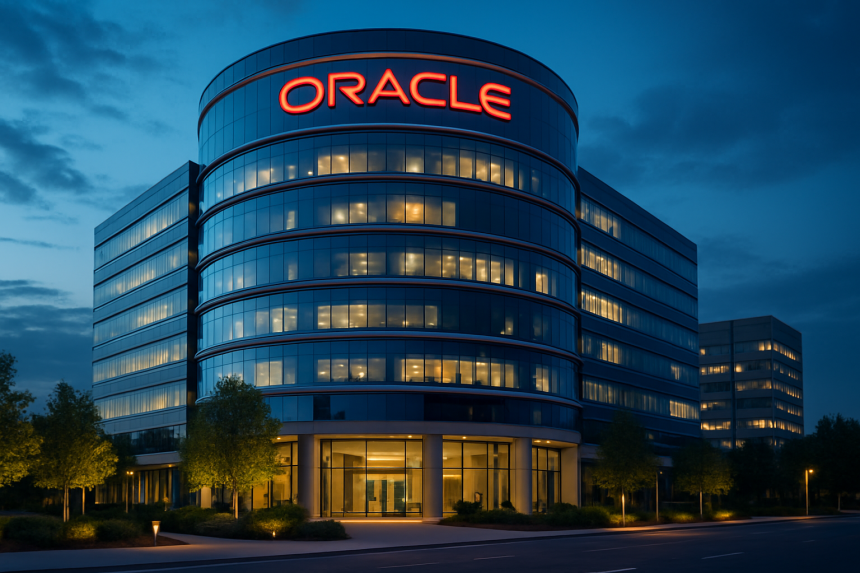
Oracle Corporation continues to navigate significant transitions as it recently announced the appointment of Hilary Maxson as its new Chief Financial Officer. This follows a wave of layoffs aimed at optimizing cost efficiencies amidst the company’s strategic push into artificial intelligence applications. In the tech-driven economic landscape, such high-level appointments are critical for steering companies through turbulent times, especially as Oracle pushes the envelope with AI advancements. This period of transition is expected to pave the way for long-term value creation for stakeholders.

In previous years, Oracle has routinely adapted its internal strategies, mirroring its industry’s dynamic nature. Previously under Safra Catz’s management, the company’s emphasis lay heavily on software and enterprise resource planning. The inclusion of AI has significantly shifted Oracle’s focus, reflecting broader trends in technology adaptation globally. This move aligns with previous strategic shifts by the company intended to anticipate and harness emerging tech opportunities.
Who is Hilary Maxson?
Hilary Maxson joins Oracle from Schneider Electric, where she held the role of CFO. Known for her expertise in financial strategy, Maxson’s extensive experience is anticipated to contribute significantly to Oracle’s financial planning amidst its expenditure on AI initiatives. Her appointment comes as Oracle reinforces its leadership team, signaling a robust approach to reshaping its financial structure.

Why is Oracle Laying Off Thousands?
The layoffs, affecting thousands, are primarily aimed at cost reduction while supporting Oracle’s AI shift. This substantial workforce reduction reflects Oracle’s intent to reallocate resources efficiently, especially when costs associated with their AI operations exceed previous expenditures. Reducing operational financial strain is seen as a necessary step in sustaining their AI ambitions.
Oracle’s forward-looking plans involve $50 billion in capital expenditures this fiscal year, overshadowing their earlier spending. The company emphasizes disciplined financial management amidst this upswing in AI infrastructure investment.
“Excited to join at this pivotal moment,”
says Maxson, underscoring her commitment to Oracle’s strategic objectives.
Oracle’s restructuring activities are projected to involve up to $2.1 billion primarily due to employee severance and related expenses. Despite potential financial volatility, Oracle’s stock has seen gains over the past year. Anticipation about AI’s future continues to drive interest and investor engagement in the company.
Analyses suggest that the restructuring not only aligns with Oracle’s strategic goals but also supports its competitive positioning within the industry. The focus on AI within its business operations might influence its place in the tech market while impacting conventional software communities.
“I look forward to partnering with the company’s leaders,”
Maxson adds, highlighting the collective leadership approach expected at Oracle.
The recent developments at Oracle depict a strategic recalibration aimed at fortifying its industry standing amidst rapid technological evolution. While setbacks such as layoffs are challenging, they reflect industry realities, and rigorous leadership might guide them towards a resilient future. Stakeholders are advised to closely observe the unfolding strategies and their market implications to understand the long-term impact.