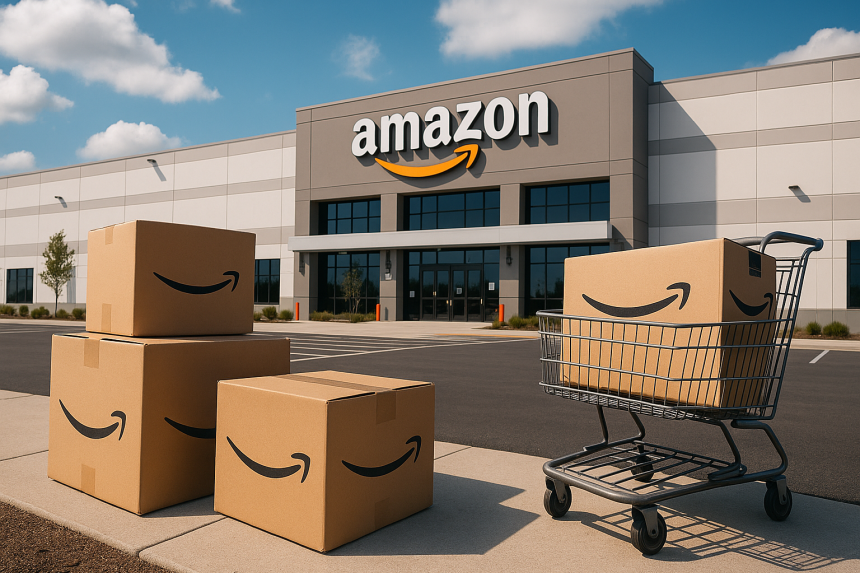
Amazon (NASDAQ:AMZN)’s annual sales event, Prime Day, historically scheduled for July, will occur in late June this year. Marking a shift from past years, the company aims to stimulate early summer spending. By moving the date, Amazon might influence both its sales performance and competitive landscape, prompting third-party vendors and competitors to adjust their strategies accordingly. This change also reflects Amazon’s strategy to capture consumer spending when competition could be lower, potentially impacting broader retail timelines.

Typically held in July, Prime Day has evolved over the years. Historically, it has been a mid-year shopping fest designed to boost summer sales. Shoppers and vendors alike anticipate it as a peak sales period. Adjustments in timing and strategy, such as last year’s extension to four days and the addition of “Today’s Big Deals” for Prime members, reflect Amazon’s ongoing efforts to refine its approach, maximize benefits, and engage consumers more effectively. In this latest change, Amazon looks to build on previous successes while adapting to retailer strategies.
How Will Retailers Respond?
Retailers often align their sales events with Prime Day, leveraging the consumer buzz it generates. With this year’s shift to June, competitors might also adjust their promotional strategies. Historically, events like Walmart (NYSE:WMT)’s Walmart+ Week overlap with Prime Day, aiming to draw shared attention. The rescheduling could disrupt traditional promotional calendars, leading retailers to rethink their sales timelines and marketing approaches. This shift presents opportunities and challenges for other retailers who seek synchronized events to maximize consumer interest and expenditure.

What Are The Financial Implications?
With Prime Day moving to the second quarter, Amazon’s financial reporting may be affected. By bolstering sales prior to the third quarter, the company might see a shift in revenue patterns. Past Prime Days have delivered record sales, with the 2025 event resulting in a 30% increase in online spending. Such a rescheduling might not only fortify Q2 results but also redistribute financial performances, impacting stock forecasts and market evaluations. For Amazon, strategic timing adjustments offer a tool to navigate market pressures and sustain growth trajectories.
Amazon did not comment on the specifics of the Prime Day timing, yet notable outcomes from last year’s sales event underline its significance. Doug Herrington, CEO of Amazon Worldwide Stores, highlighted the achievements:
“This year’s extended Prime Day event delivered incredible savings to our members across millions of deals.”
Such sentiments reveal the scale and impact of Prime Day as a key sales generator. Amazon leverages this event not just to boost immediate sales, but to foster longer-term relationships with customers and vendors alike.
The sales surge during Prime Day indicates consumer demand and engagement success. Insights from Adobe Analytics and other market analysts reveal a significant increase in online spending during this period, which retailers monitor closely. Independent sellers on Amazon have reported unprecedented sales figures and item turnover during Prime Day events. Such data indicates the weight of Prime Day in Amazon’s economic calculus and retail planning.
For Amazon, adjusting Prime Day’s timing signifies more than a calendar shift; it reflects broader strategic objectives. It underscores the competitive nature of retail and consumer behavior adaptability. As retailers prepare for the modified shopping schedule, aligning discounts and deals to these consumer trends becomes paramount. Vendors will likely modify strategies to capitalize on the early timing and potentially expanded market outreach.