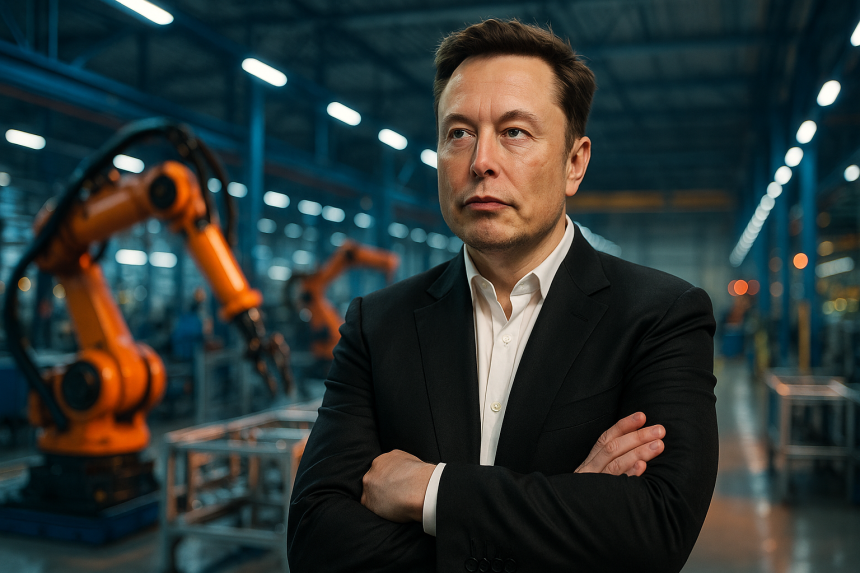
Elon Musk appeared in a San Francisco courtroom concerning a high-stakes lawsuit linked to his tweets and the consequential financial turmoil among Twitter shareholders. The case centers around Musk’s public communications and the real-world impacts of his written words. Investors, who count significant financial losses following Musk’s announcement to withdraw his Twitter acquisition and eventual completion of the deal, seek accountability from Musk over the economic ramifications their investments suffered.

In previous instances, Musk’s online presence, particularly his tweets, have often stirred public and investor sentiments significantly. His comments on various platforms have led to marked fluctuations in market performance, with Tesla (NASDAQ:TSLA) and SpaceX acting as prime examples. These patterns are crucial as they illustrate a persistent intersection of personal expression and market influence, which remains core to this trial.
What Drives the Litigation?
This lawsuit is not merely a corporate conflict; it questions the current framework of market communications. Musk’s defense hinges on the perception that his tweets represent literal personal thoughts without strategic implications. However, the claimants see this as a market strategy that influenced their financial decisions. Musk stated,

“People tend to read too much into things that I do.”
Such remarks form the crux of debates about personal expression versus market manipulation.
Does Regulation Meet the Social Media Age?
Legal structures surrounding securities are fashioned for conventional corporate communications, lacking provisions to effectively moderate the informal yet powerful nature of social media. With the advent of platform-era trading spaces, the SEC’s challenges amplify as spontaneous social posts now act faster than traditional reporting. Musk has remarked that his tweets are
“extremely literal,”
reflecting a broader debate: do existing laws adequately handle contemporary communication’s scope and pace?
Such discord is echoed globally, with numerous instances where institutionally unchecked power strikes frictionless operations. Around the world, regulatory bodies grapple to align existing frameworks with the multifaceted nature of digital communication. While previous accountability measures focused on controlled dissemination, social media disrupts by removing traditional filters, making real-time market reaction a new norm.
The lawsuit encapsulates the tension between individual freedom and market responsibility in an era unbound by format restrictions. The deliberations reflect broader inquiries into how governance models adapt to rapid technological integration where power dynamics shift beyond conventional reach.
As Elon Musk’s statements reflect the intertwining of personal thought and massive market sway, it underscores the necessity for redefining regulatory landscapes. Understanding these dynamics is crucial for stakeholders aiming to balance the penetration of personal expression and its vast economic repercussions.