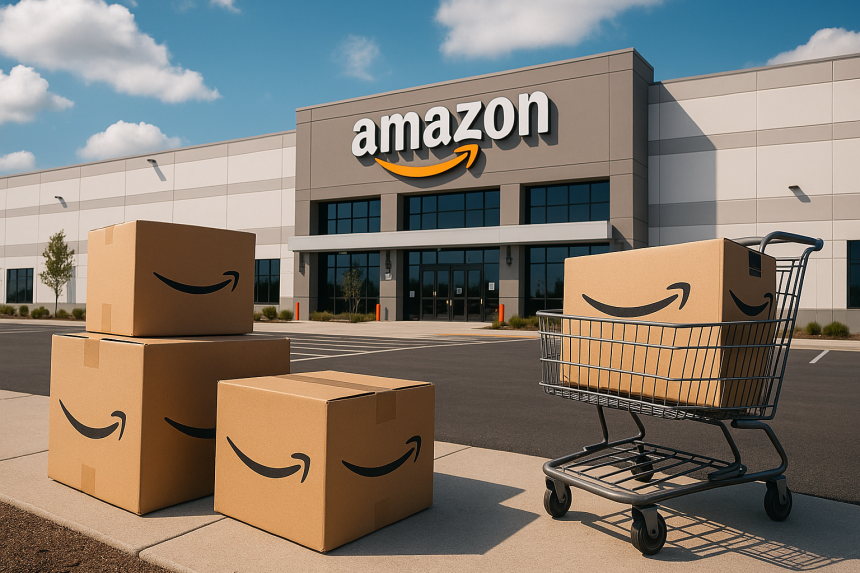
Amazon (NASDAQ:AMZN) continues to elevate its retail presence, proposing a second large-scale retail store in the Chicago suburbs. Following a prior store proposal in Orland Park, the e-commerce giant has now eyed Oak Brook for another big-box facility. This extension reflects Amazon’s ongoing strategy of expanding its physical retail operations, complementing their prevalent online dominance. As Amazon continues to test and adapt its store models, the company seeks to establish a stronger foothold in the crowded physical retail market.

Historically, Amazon has been experimenting with various physical store formats, including Amazon Go, Amazon Fresh, and Amazon Style, though some of these initiatives have faced strategic reassessment. Recent closures of Amazon Go and Fresh stores indicate a shift toward same-day grocery delivery services and a focus on the Whole Foods Market brand. Such moves suggest Amazon’s search for the right economic model to make its physical retail operations viable on a larger scale remains ongoing.
What Are the Details of the New Store Proposal?
Amazon has laid out comprehensive plans for a 225,000-square-foot retail location in Oak Brook, Illinois. Significantly, this location will not house warehousing or distribution operations. Unlike membership-based warehouse clubs, this store aims to provide an easy-access retail experience for its customers. Before construction can begin, the project requires approval after a public hearing and scrutiny from the Village Board.

How Does This Fit with Amazon’s Broader Retail Strategy?
This strategy seems aligned with Amazon’s efforts to capture more of the retail market similar to giant firms like Walmart (NYSE:WMT) and Target. Amazon’s focus on dual retail formats, ranging from groceries to general merchandise and prepared foods in its Orland Park store, shows the company’s intent to appeal to a broad customer base.
An Amazon representative highlighted the company’s evolving retail approach:
“We regularly test new experiences designed to make customers’ lives better and easier every day, including physical stores,”
further illustrating their dedication to refining retail concepts. This move comes even as Amazon plans to shut down certain physical grocery formats.
In its recent company statement, Amazon expressed the need to enhance customer experience and economic performance in its ventures:
“While we’ve seen encouraging signals in our Amazon-branded physical grocery stores, we haven’t yet created a truly distinctive customer experience with the right economic model needed for large-scale expansion.”
They are planning to convert some existing locations into Whole Foods markets while increasing the number of these facilities significantly in the coming years.
Amazon has oscillated in past strategies concerning physical locations, notably closing its Amazon Style clothing stores and shifting resources to more promising ventures. Navigating the challenges of physical retail, Amazon is adjusting its approach to assure its brick-and-mortar endeavors can compete with online dominance.
This expansion into physical retail settings raises questions on whether Amazon can efficiently balance between digital and physical realms. As the firm adjusts its store formats, it seeks to establish an efficient model that satisfies customer expectations and economic viability simultaneously.