
 ETH
ETH
 SOL
SOL
 BSC
BSC
 ROBINHOOD
 USDT
USDT
 AAPL
AAPL
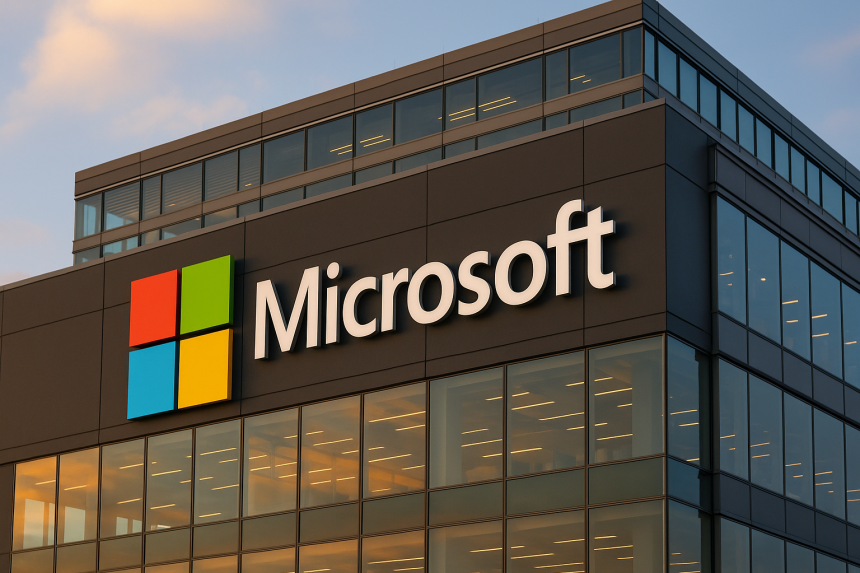
Recently, Microsoft (NASDAQ:MSFT) secured a $170 million contract with the U.S. Air Force, enhancing its position in military cloud services. Despite the tech giant’s focus on cloud services, companies deeply involved in manufacturing defense hardware are poised to benefit from this modernization trend. These firms, such as Boeing, Lockheed Martin, and Northrop Grumman, are vital players in supplying advanced military equipment like fighter jets and missile systems.
Historically, a strong emphasis has been placed on high-tech software solutions. However, industries centered on tangible military assets maintain significant influence and demand. As shown, Northrop Grumman has long been regarded as a top defense provider, offering innovative technology solutions beyond just the digital realm. This historical standing highlights the continual necessity for robust physical defense capabilities alongside burgeoning technological advancements.

Boeing’s Potential as a Prospect?
Boeing has faced substantial financial challenges, losing $5.34 billion in the third quarter of 2025. Despite this, the corporation reported a 30.4% rise in revenue, attributed to increasing 737 MAX production. A number of analysts remain optimistic, with 79% suggesting a buy or strong buy rating, indicating potential recovery if Boeing addresses its operational issues.
How Does Northrop Grumman Stand Out?
Northrop Grumman has positioned itself as a leader in the defense sector with a 10.6% net margin on its revenue. A highlight is the B-21 Raider program, expected to generate $70 billion over the next two decades. The company also emphasizes cybersecurity and autonomous drone development.
“Northrop remains at the forefront of defense innovation, providing comprehensive solutions,” said a company representative.
Comparatively, General Dynamics offers a more diversified approach by venturing into business aviation alongside defense. In contrast, Lockheed Martin continues to dominate with strategic investments in the F-35 and hypersonic weapons.
“Our focus remains on sustaining growth through diversified investments,” noted Lockheed Martin’s spokesperson.
Meanwhile, RTX Corporation maximizes dual-sector exposure to commercial and defense aviation.
The robust increase in defense contract allocations underscores the importance of hardware advancements. While Microsoft’s cloud venture marks a technological leap, the essence of tangible military capabilities remains irreplaceable. Lockheed Martin, Northrop Grumman, and others demonstrate that hardware development still plays a key role in national security strategies, despite the shift towards software solutions. Investors looking to capitalize on this modernization wave should consider companies consistently delivering on time with efficient margin management.