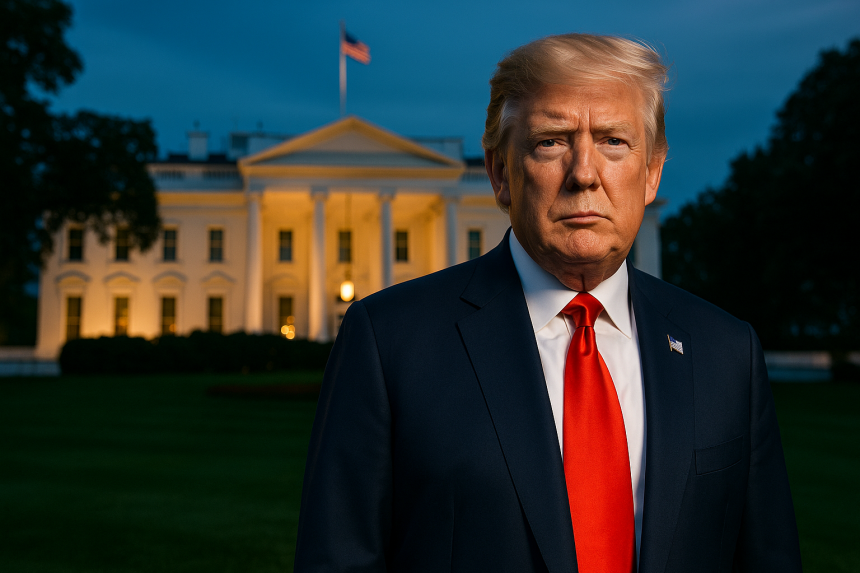

Generation Z, often hailed as a politically decisive cohort, is expressing increasing discontent with both their political leaders and the economic landscape. The demographic that played a pivotal role in electing Donald Trump in 2024 is now reconsidering its political stance ahead of the 2026 midterms. Approaching these elections, a significant drift has been observed, with a notable number of young men shifting their support away from Trump and the Republican Party. The current political climate reflects their concerns, hinting at potential electoral implications.
In past years, Generation Z demonstrated an affinity towards conservative politics, as evidenced by their substantial support for Trump. This support was mirrored in polling and electoral outcomes, marking a surprising trend among traditionally progressive young voters. Today’s data signifies a change; this time, political alliances are seemingly influenced more by economic challenges than ideological alignment. The evolving priorities underscore this demographic’s responsiveness to their immediate socio-economic context.

How is Economic Stress Reshaping Political Loyalties?
Economic struggles, particularly prevalent among 18-to-29-year-olds, are heavily influencing these shifting political loyalties. According to recent surveys, a considerable portion of this group faces financial difficulties, with a pronounced disparity between college graduates and those without degrees. Economic pressures have intensified these young Americans’ misgivings toward political promises and their actualization.
Artificial intelligence, among other technological advancements, has contributed to these anxieties by threatening job security, disrupting traditional career trajectories, and underscoring fears of an uncertain future. Such technological realities are converting economic insecurities into potent political motivators, redirecting young men’s support away from conservative platforms.
Why Are Younger Gen Z Cohorts More Opposed?
Younger subgroups within Gen Z, particularly those born between 2002 and 2007, are emerging as the most vocal critics of Trump’s policies. These younger members have not only rejected Trump-led initiatives but also shown skepticism towards ongoing administrative actions like reducing vaccine mandates and aggressive immigration policies. Their formative years, marked by constant socio-political upheaval, highlight a divergence from slightly older cohort groups.
Research highlights that this disillusionment extends beyond partisan issues, indicating a broader dissatisfaction with governmental efficacy and leadership. Despite the Republican Party losing favor, Democrats are not perceived much more positively, denoting a general disillusionment with the political establishment.
The political attitudes of Gen Z highlight a critical threat to Republican electoral strategies, emphasizing a need for reevaluation. An acknowledgment of the economic concerns could catalyze more inclusive strategies. Democrats, meanwhile, cannot assume that current discontent automatically translates to enduring support without addressing the same concerns.
Interestingly, the profound disconnect between Gen Z voters and traditional political structures reflects wider institutional estrangement. Despite their critiques, the realization of their electoral potential rests in the ability of both parties to engage authentically and address these evolving priorities.
In approaching future elections, both major political parties must appreciate the volatility and distinct demands of this generation. Strategies must pivot towards offering tangible solutions to economic and socio-political issues. Only by proactively addressing the aspirations and challenges of Gen Z can political entities remain relevant in this rapidly shifting electoral landscape.