
 USDT
USDT
 AAPL
AAPL
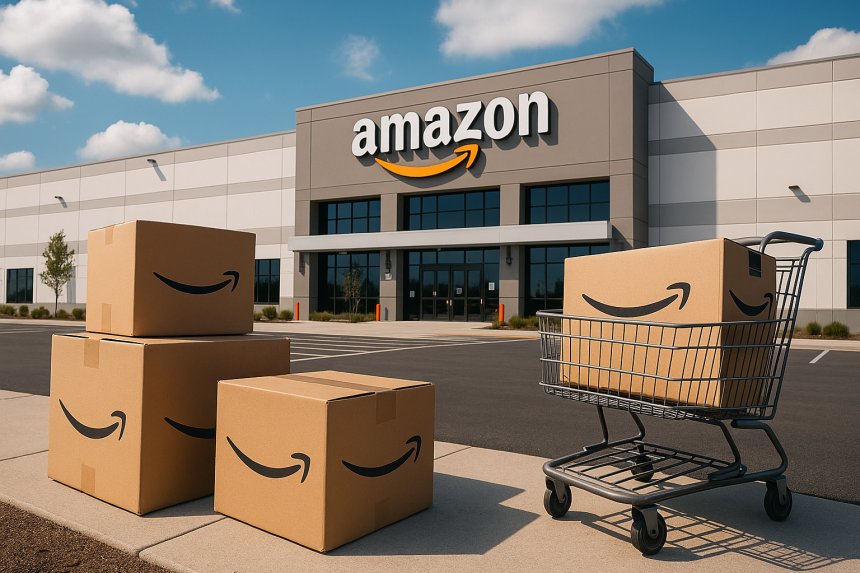
Amidst increased scrutiny over online retail practices, Amazon (NASDAQ:AMZN) faces legal proceedings in a lawsuit accusing the company of price gouging during the pandemic. Concerns have been raised about vast online marketplaces and the pricing power they hold, particularly as consumers increasingly rely on digital shopping. This case highlights the ongoing debate between consumer rights and corporate practices, with significant implications for the digital marketplace.
Previously, Amazon has faced allegations of price manipulation and unfair practices, drawing attention to its role as a dominant player in e-commerce during crisis times. The company’s practices during past emergencies have come under governmental and public examination, raising questions about its policy implementations and business ethics, especially when public reliance on online shopping peaks.

How Did the Lawsuit Unfold?
U.S. District Judge Robert Lasnik dismissed Amazon’s request to throw out the lawsuit, pointing to compelling arguments related to consumer protection. Amazon had argued the specifics of Washington State’s consumer protection laws, questioning their clarity about pricing issues. The court, however, found reasoning in the plaintiffs’ assertions that consumers were left with “no meaningful choice,” indicating valid concerns regarding purchasing options on Amazon when alternatives were sparse.
What’s the Next Course of Action?
The class action lawsuit accuses the platform of not regulating merchants effectively, leading to extreme price increases during high-demand periods like the pandemic. Lawyer Steve Berman emphasized the significance of this trial moved forward, underscoring consumer rights.
“Internal documentation revealed Amazon’s awareness of price gouging,” Berman noted.
These revelations have placed Amazon’s operational transparency under greater scrutiny.
Amazon is yet to respond formally to this legal development. The company’s focus on integrating artificial intelligence to streamline shopping suggests a strategic shift towards better customer engagement. The new tools aim at interpreting users’ intents beyond basic searches, catering to specific needs like delivery speed and price sensitivity.
This is intended to reduce the “friction” associated with too much choice.
Further advancements in Amazon’s features spotlight efforts to extend its influence, including Alexa’s new browser-accessible features. Recent product disclosures at CES 2026, involving Fire TV and Bee wearable, indicate ongoing expansion in AI capabilities, evidently repurposing Alexa as a multifaceted assistant.
Examining current developments, the lawsuit adds another layer of complexity to Amazon’s operational challenges in managing platform fairness. With continued innovations in artificial intelligence and expanding product range, how Amazon addresses regulatory compliance and customer satisfaction remains crucial. Ensuring fair practices in pricing during emergency scenarios will likely remain a tested mandate not just for Amazon but industry-wide.