The U.S. dollar appears to be strengthening again, buoyed by the enduring boom in artificial intelligence (AI) and the solid resilience of global trade. Citigroup strategists assert that these elements have pivoted the currency from prior weakness to a position of regaining strength. This renewed perspective stands in contrast to predictions of some other financial institutions, drawing significant attention from market observers and investors.

Citi’s viewpoint on the U.S. dollar reflects a notable divergence from the wider Wall Street sentiment. While major players like Morgan Stanley, Bank of America, and Goldman Sachs lean towards a prognosis of continued dollar weakness, Citi foresees a potential upswing. These institutions cite expected rate cuts by the Federal Reserve as a main driver for a softer dollar, whereas Citigroup highlights burgeoning AI developments and robust trade dynamics as critical supporting factors for the dollar’s resilience.
Citi strategists emphasized, “Barring significant repricing in U.S. equities, we believe global markets are likely to remain in this regime, which basically means a more resilient USD.”
How Does AI Contribute to Dollar Strength?
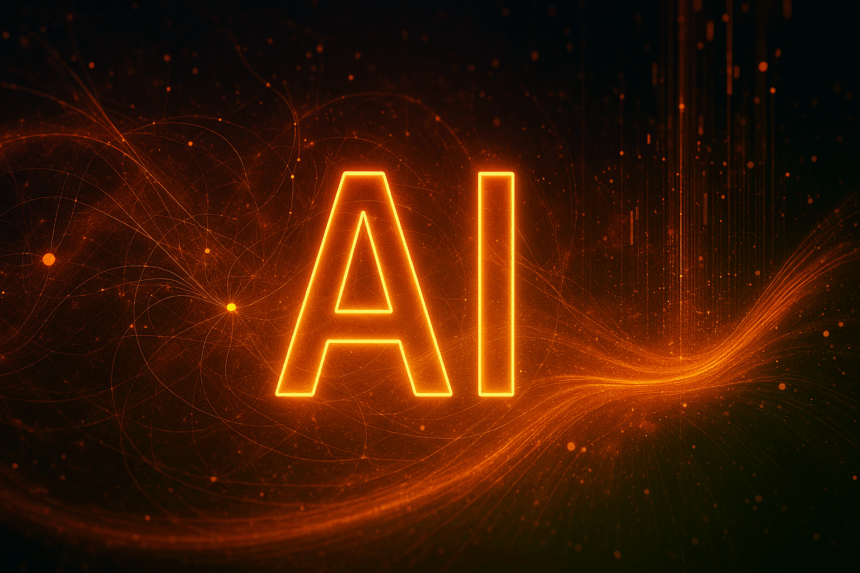
The surge in AI investments, capturing over 42% of U.S. venture capital in recent years, has contributed significantly to this dollar strengthening trend. The inflow of investments into AI infrastructure reflects growing confidence and a shift towards digital transformation, underscoring its impact on the broader economy. As companies aggressively invest in data centers and technology to support AI, the economic landscape is seeing parallel influences on global currency exchange behaviors.

What Role Does Global Trade Play?
Strong trade links under historical pressure from U.S. tariffs have been key in shifting dollar dynamics. Companies sense a reduction in tariff uncertainties and report a stabilization in trade practices, allowing for enhanced strategic planning and negotiation of new trade deals.
“These two important factors combined generated a gradual comeback to U.S. exceptionalism, ultimately changing the dollar dynamics once again,” Citi’s research disclosed.
Such adjustments help foster a stable international trade environment, propelling the dollar’s strengthened position.
Analyzing previous reports, the AI trend has been a persistent influence on the financial ecosystem. Initial surges were predominantly seen in technology sectors, but as AI applications broadened, its impact was felt globally, contributing to substantial shifts in economic indicators like the dollar’s value. Investigating these ongoing developments, the currency market continues to respond dynamically.
The potential continuity of the strengthened dollar raises implications for international trade strategies and currency markets. Market participants now evaluate a balance between technology-driven growth and traditional economic mechanisms. While Citigroup’s outlook contrasts with mainstream forecasts, it offers insights into integrating technology into broader economic narratives. As AI and global trade continue to evolve, their influences will play crucial roles in shaping financial landscapes.