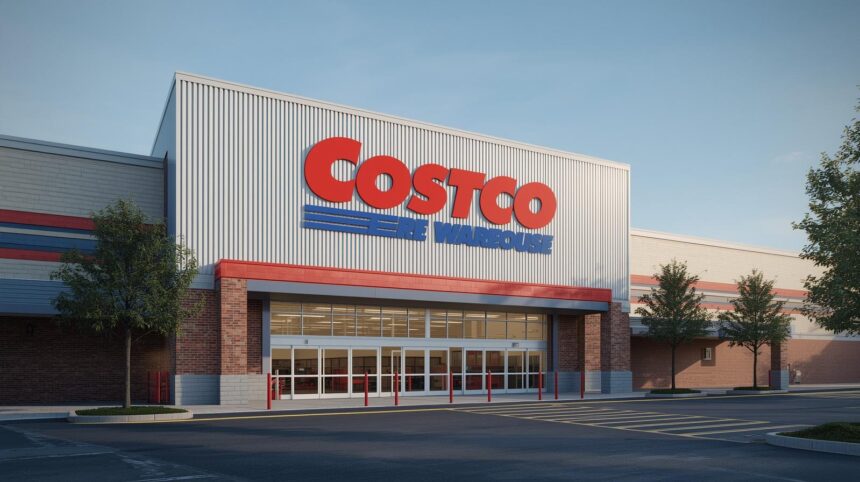
Costco (NASDAQ:COST) has initiated legal proceedings against the U.S. government over tariff policies implemented during Donald Trump’s presidency. The popular wholesale retailer has approached the Court of International Trade, contesting the legality of tariffs imposed under the International Emergency Economic Powers Act (IEEPA). The case raises significant questions about the executive authority to set such tariffs without clear legislative authorization, potentially affecting the wholesale giant’s financial dealings. The outcome of this legal battle could have wide-ranging consequences for both international trade relations and retail pricing strategies in the U.S.

This lawsuit joins a collection of similar actions from diverse companies like Revlon, Kawasaki, and Bumble Bee Foods challenging the Trump administration’s trade policies. These companies argue that the tariffs have caused substantial economic strain. Legal precedence shows that trade policies under IEEPA have been contested before, highlighting consistent divisions in interpretations of executive power in setting international tariffs. Legal experts are following this case closely, as the decision could define operational boundaries for future administrations.
What is Costco’s Claim?
Costco is seeking a refund for all tariffs it paid, alleging that these are beyond the president’s authorized powers under IEEPA. The company has stated urgent concerns that it faces “imminent and irreparable harm” due to upcoming liquidation dates of the duty payments.

“Because IEEPA does not clearly authorize the President to set tariffs…the Challenged Tariff Orders cannot stand,” the lawsuit contends.
The legal language suggests that unless courts intervene, Costco’s compliance with these tariffs creates a risk of irreversible financial liabilities. This lawsuit underscores retailers’ ongoing struggles with navigating changing trade regulations.
What is the Government’s Position?
A representative from the White House has defended the tariffs as lawful measures vital to national economic interests.
“These tariffs reflect significant economic considerations, and their legality stands important,” White House spokesperson Kush Desai remarked.
Furthermore, the administration insists that these tariffs distinguish regulation from taxation, which aligns with their broader economic strategies. As the legal challenge progresses, the U.S. Supreme Court’s involvement signifies the weight and potential consequences of the case on future presidential authority and international trade policies.
The Supreme Court’s engagement in this matter has seen skepticism from members across judicial ideologies. Justices, including Amy Coney Barrett, have critically analyzed the power balance between national security justifications and the extent of the tariff applications, questioning the necessity for such expansive measures against multiple allies. This scrutiny underscores the complex interaction between executive power and legislative oversight.
Despite possible favorable court rulings for Costco, the retailer emphasizes that obtaining refunds for the contested tariffs necessitates a separate judicial resolution. Costco argues that without explicit judicial orders, recovering unlawfully levied amounts remains uncertain. This litigation, therefore, is not solely about the legal process; it highlights procedural challenges associated with reversing tariff decisions.
The current case signifies broader conflicts regarding trade legislation, executive reach, and their economic implications. While Costco’s stance emphasizes the immediate impact on its operations, the broader discourse questions how policies enacted under emergency powers align with modern global trade dynamics. Historically, such legal battles have catalyzed significant debates over presidential roles in economic governance.