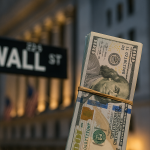
In a recent development, Switzerland’s affluent community celebrated the overwhelming rejection of a proposed 50% inheritance tax on estates worth over 50 million francs. Almost 80% of voters opposed the measure, which had aimed to target the country’s wealthiest individuals. The outcome signaled a decisive win for billionaires who can continue their financial activities without immediate tax concerns. Despite the win, this event has brought significant attention to the presence of high-net-worth individuals in Swiss society, a subject rarely discussed openly in the past. This shift to public discourse could affect how Switzerland is viewed as a haven for the rich.

 ETH
ETH
 SOL
SOL
 BSC
BSC
 ROBINHOOD
 USDT
USDT
 AAPL
AAPL
How Has Switzerland’s Wealth Landscape Changed?
When compared to previous years, Switzerland’s tax environment has long been attractive to the wealthy due to its decentralized system and low public scrutiny. Historically, the country has accommodated affluent families and individuals seeking privacy and minimal tax burdens. This discreet arrangement allowed Switzerland to boast one of the highest density of billionaires worldwide. Nonetheless, the recent referendum disrupted this situation by compelling billionaires to publicly justify their wealth and the tax implications, an exercise that has not been a requirement in the past. This newfound visibility may impact the strategies of family offices managing substantial assets.
What Might Influence Switzerland’s Future Tax Reforms?
The failure of the referendum may not guarantee unwavering stability for Swiss billionaires, as the broader trend toward global wealth migration suggests increasing competition between countries. Nations like the United Arab Emirates have become enticing relocation options, with no income or inheritance tax and promise of privacy. Some European countries, like the UK and Germany, have already implemented tax changes, causing wealth outflows to jurisdictions with more favorable conditions. The introduction of public debates will likely incite continuous challenges for the Swiss tax framework.

Frédéric Rochat from Lombard Odier remarked:
“Swiss common sense had prevailed.”
Nevertheless, questions arise about whether Swiss stability is as immutable as it once was, given the looming risk of future proposals.
Wealthy residents are becoming proactive by diversifying their residency options, often maintaining addresses across several countries to optimize their fiscal responsibilities. This reflects a broader strategic shift as the wealthy seek to shield themselves from unpredictable developments.
Despite the current political climate, Swiss wealth remains significant. The country’s top 300 wealthiest citizens collectively control assets exceeding 850 billion francs, reinforcing Switzerland’s status as a major epicenter of wealth. However, the current situation exposes vulnerabilities in this longtime financial stronghold, urging residents to reconsider their positions amidst increasing scrutiny and global competition.
Philipp Zünd of KPMG stated:
“Voters had reinforced Switzerland’s reputation as a stable business hub.”
While voters did reject the tax proposal, such sentiment underscores the challenges that lie ahead, as political discourse around wealth inequality and environmental concerns continues to gain traction.